
So much of modern German literature is influenced by the specter of the three wars in the 20th century – WWI, WW2 and Cold war. It is inevitable that anything that I have read seems to be touched by one or the other. I would personally love to now sample for German literature which is less about its turbulent 20th century. Meanwhile, my recommendations for your backpack to a trip to Germany.
World War I Era
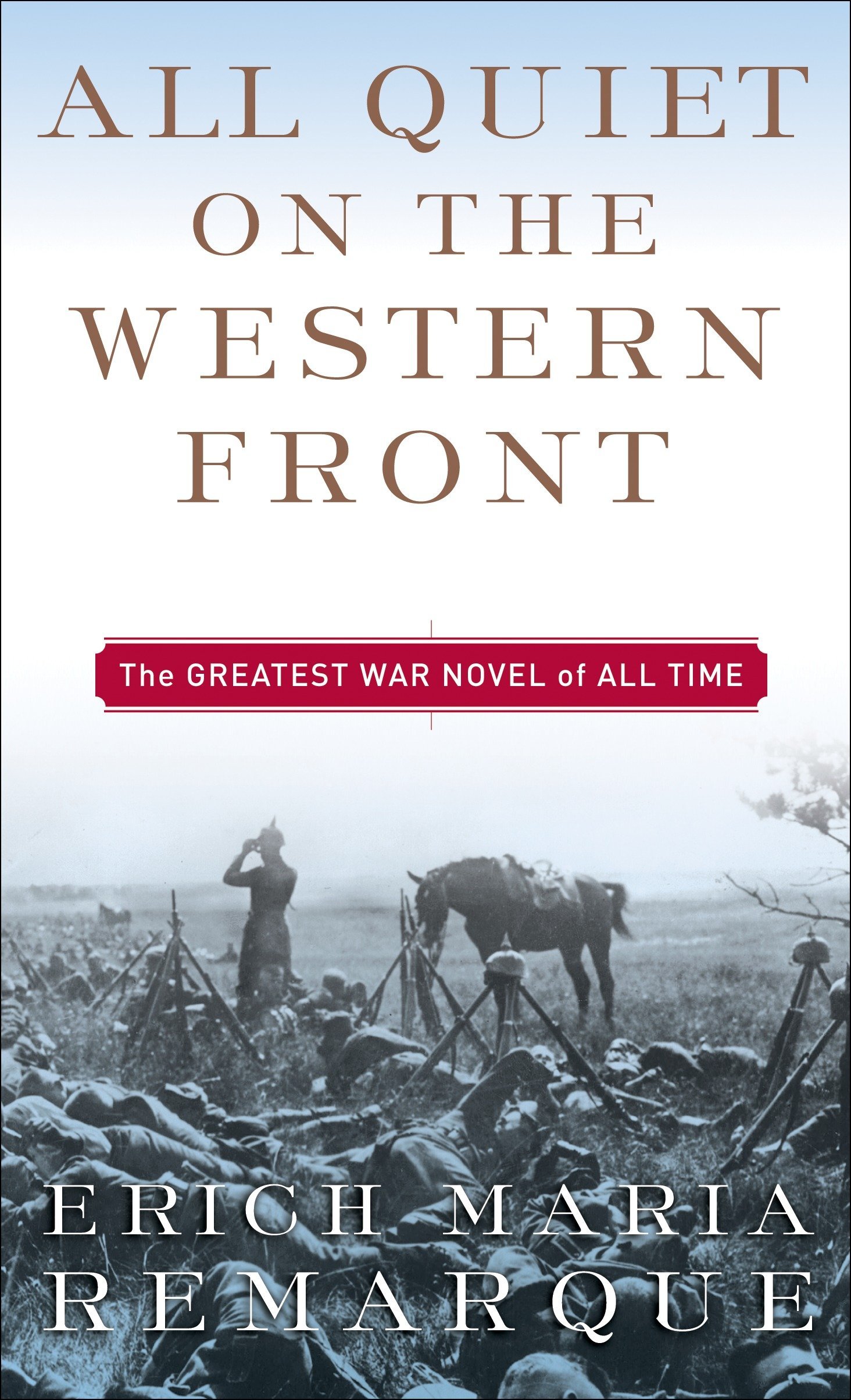
The ultimate war novel, right up there with Catch-22. Set in WWI, we get to see the fighting from the German side as it loses the war. And it’s from the point of view of a young soldier, Paul Bäumer, who is inspired (scammed?) into fighting for his country during the pre-war nationalist wave. His enthusiasm is squashed during the cruel military training, and it’s only downhill from there. No amount of bravado, optimism, or faith in the country can combat the real horrors of conflict. Comradeship is what helps the recruits survive the hardships, but death is just around the corner.
“I am young, I am twenty years old; yet I know nothing of life but despair, death, fear, and fatuous superficiality cast over an abyss of sorrow. I see how peoples are set against one another, and in silence, unknowingly, foolishly, obediently, innocently slay one another.”
― All Quiet on the Western Front
Erich Remarque’s first-person narrative style makes Bäumer’s viewpoint both ironic and tragic, and also very, very real. This is a must-read, and should be mandatory reading in military school. Five stars are not enough.
When I finished reading this timeless classic, I was left with a muddle of emotions that I can’t describe. We are now a hundred years later, fighting longer wars with more intensity—that seem smaller because they are so targeted. But the cost of human suffering does not change whether it’s one person or one thousand.
Post Nazi Era

In this case I saw the movie adaptation first. The Kate Winslet and Ralph Fiennes starrer is a riveting watch. The premise itself is so fascinating that it led me to pick the source – the original novel.
“So I was still guilty. And if I was not guilty because one cannot be guilty of betraying a criminal, then I was guilty of having loved a criminal.”
― The Reader
The Reader by Bernhard Schlink was published in 1995, fifty years after the discovery of Nazi death camps rattled the world. There is no moving on from something like this, and German collective guilt pervades the entire narrative. Schlink’s story of a fifteen-year Michael’s coming-of-age affair with an older tram conductor, Hanna, forms an unlikely setup for the war crimes trial that follows years later. An odd but formative relationship for Michael, he is shocked to discover that Hanna was once a SS prison guard responsible for the death of 300 Jewish women. The trial raises fundamental questions about passive German complicity – a question that Germany reckons with even today/ Beyond that, Schlink writes deeply of guilt, shame, and redemption. It is a very cold book—as if it projects Hanna’s own distant personality directly onto the reader.
Cold-War Era
I cheat here a little, for after all, this is a novel about a British intelligence officer by a British writer. However, the crux of the action happens in East Germany during the height of the cold-war.
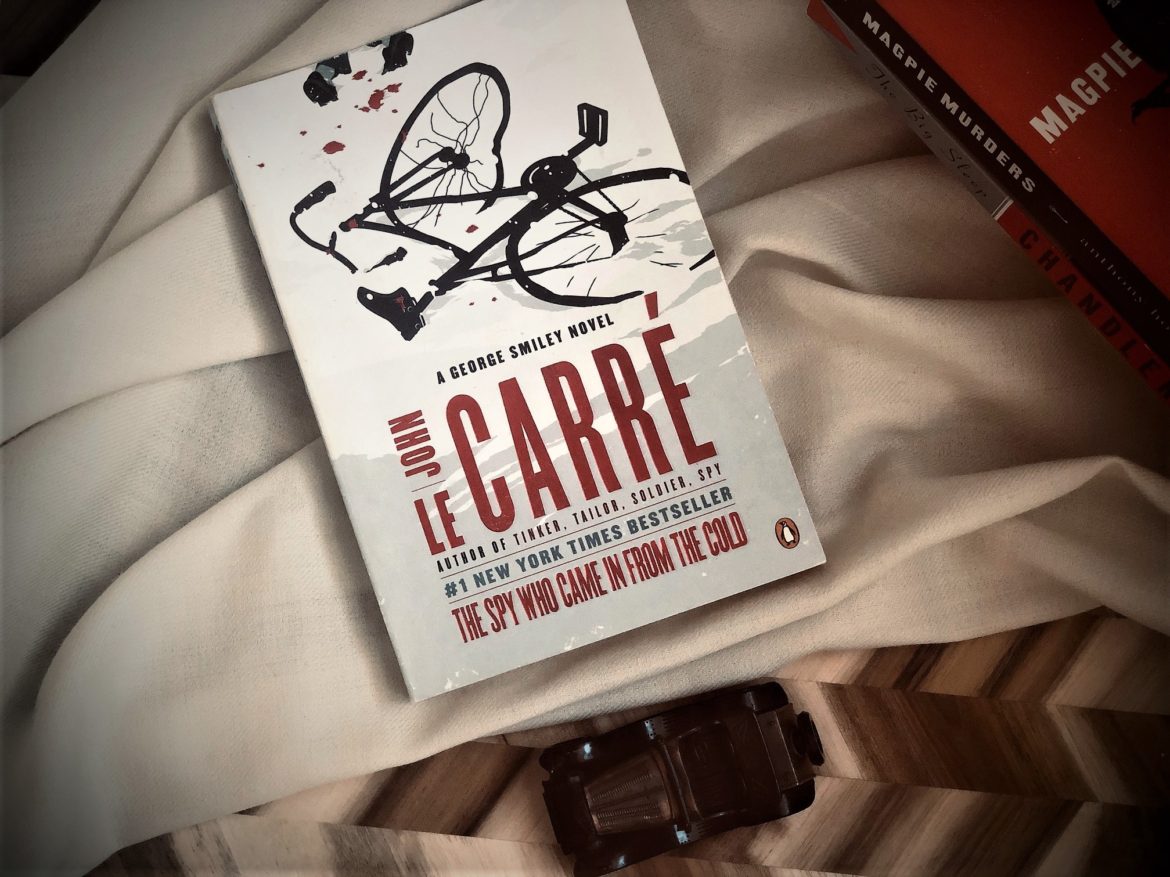
Alec Leamas is an aging British intelligence officer who has recently led the Berlin division during the height of the cold war. His network has slowly collapsed over time because of one person — Mundt, the leader of East Germany’s intelligence operations. Leamas infiltrates the East German network as a defector and comes in contact with Fielder, Mundt’s second-in-command. Fielder uses Leamas to serve his own agenda as he tries to grab power away from Mundt.
“The Berlin in which Leamas had his being was a paradigm of human folly and historical paradox. In the early sixties I had observed it mostly from the confines of the British Embassy in Bonn, and only occasionally in the raw. But I watched the Wall’s progress from barbed wire to breeze block; I watched the ramparts of the Cold War going up on the still-warm ashes of the hot one. And I had absolutely no sense of transition from the one war to the other, because in the secret world there barely was one. To the hard-liners of East and West the Second World War was a distraction. Now that it was over, they could get on with the real war that had started with the Bolshevik Revolution in 1917”
― Foreward by The Spy Who Came in from the Cold
Le Carre’s novel is impressive because of its deep knowledge of how espionage functioned during the Cold War.The art of spying was also reliant on extremely talented artists, for what else can you call them–multi-lingual, sharp-witted, live performers. Le Carre keeps his cards close to his chest, making this a page turner.
Back to Around the World recommendations.
